

Specialized Blast Mitigation & Defense Coatings
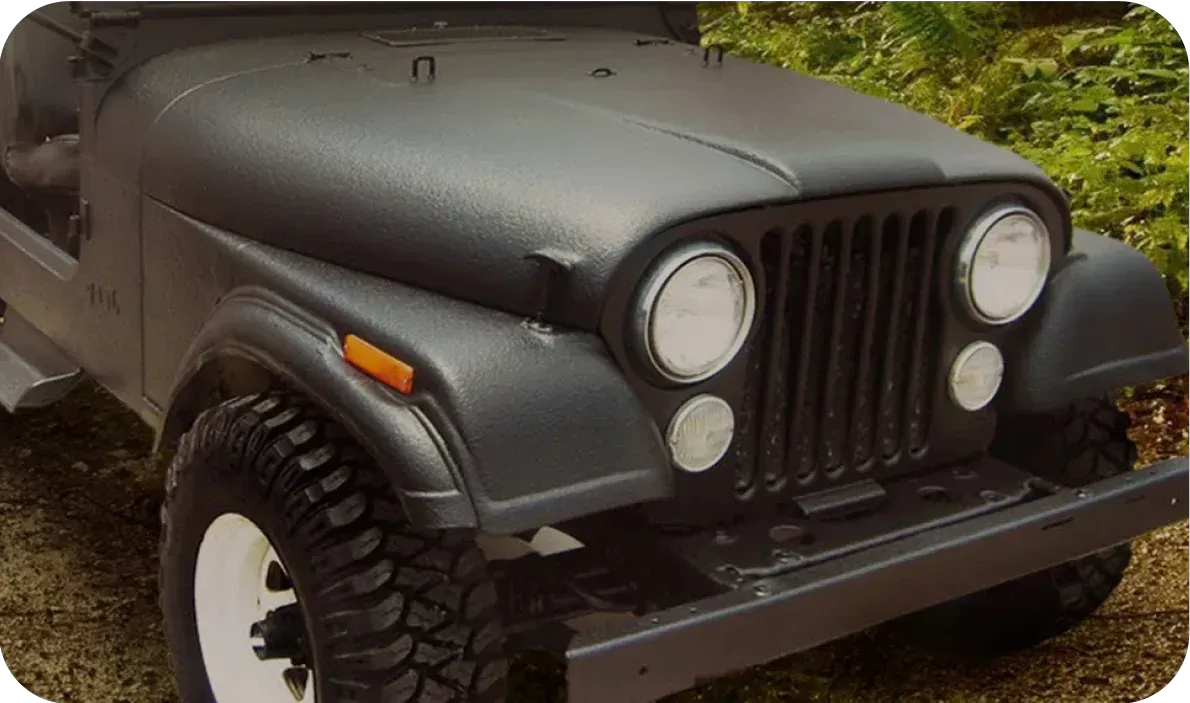
High-Elongation Protection for High-Security Assets
ArmorThane Bedliners PLUS provides specialized, high-performance coatings engineered for the most extreme security requirements. Our blast mitigation technology focuses on energy absorption and fragmentation control, providing a critical layer of safety for structures and vehicles in high-risk environments.
Advanced Structural Reinforcement & Energy Absorption
In an explosive event, the primary cause of injury is often not the blast itself, but the fragmentation of the structure. Our high-elongation polyurea systems are engineered to act as a monolithic "catch-membrane," holding building materials together and absorbing massive kinetic energy.
Fragmentation & Spall Mitigation
Our coatings are designed to prevent "spalling"—the lethal spray of concrete or masonry fragments that occurs when a wall is struck by a pressure wave or projectile.
- Catch-Membrane Technology: The high-tensile polyurea liner acts like a high-strength net. Even if the underlying concrete or brick wall shatters, the liner remains intact, containing the debris and protecting the occupants inside.
- Internal & External Application: For maximum safety, we apply the reinforcement to the interior face of the wall to stop inward fragmentation, and the exterior to provide a weather-resistant, impact-absorbing shell.
Blast Overpressure Dampening
The physics of our blast coatings rely on high-elongation properties—the ability of the material to stretch significantly without breaking.
- Energy Dissipation: As the pressure wave hits the structure, the coating deforms and stretches, converting the kinetic energy of the blast into heat and mechanical work. This reduces the peak pressure felt by the structural supports.
- Secondary Containment: In tactical or industrial environments, our coatings can be used to wrap fuel cells or chemical storage units, preventing them from rupturing and creating secondary explosions or hazardous leaks after an initial strike.
Ballistic Support & Hard-Armor Enhancement
While polyurea is not a standalone "bulletproof" material, it significantly enhances the performance of existing ballistic systems.
- Anti-Spall for Steel Plating: When applied to steel armor plates, our coating traps the lead and copper fragments that "splash" off the surface upon impact, protecting nearby personnel or vehicle components.
- Structural Hardening: We reinforce tactical shelters and safe rooms by bonding the polyurea to steel or reinforced concrete, creating a dual-layer defense system that is significantly more resilient than standard construction.
Defense & Security Performance Matrix
Defense Metric
Technical Capability
Practical Benefit
Elongation at Break
400% to 600%
Allows the wall to flex and absorb energy without rupturing.
Tensile Strength
3,000+ PSI
High-strength containment that holds masonry in place.
Flame Spread
Class A / Fire Retardant
Self-extinguishing properties for high-risk zones.
Adhesion to Substrate
Permanent Molecular Bond
Won't peel or delaminate even under extreme shockwaves.
Flash Cure Time
Ready in Seconds
Allows for rapid retrofitting of critical infrastructure.
Defense Capabilities
Energy Absorption
Dampens the force of explosive pressure.
Spall Prevention
Prevents dangerous flying debris and shrapnel.
Structural Integrity
Reinforces walls and vehicle hulls.
Weather Defense
Corrosion protection in theater conditions.
Structural Reinforcement
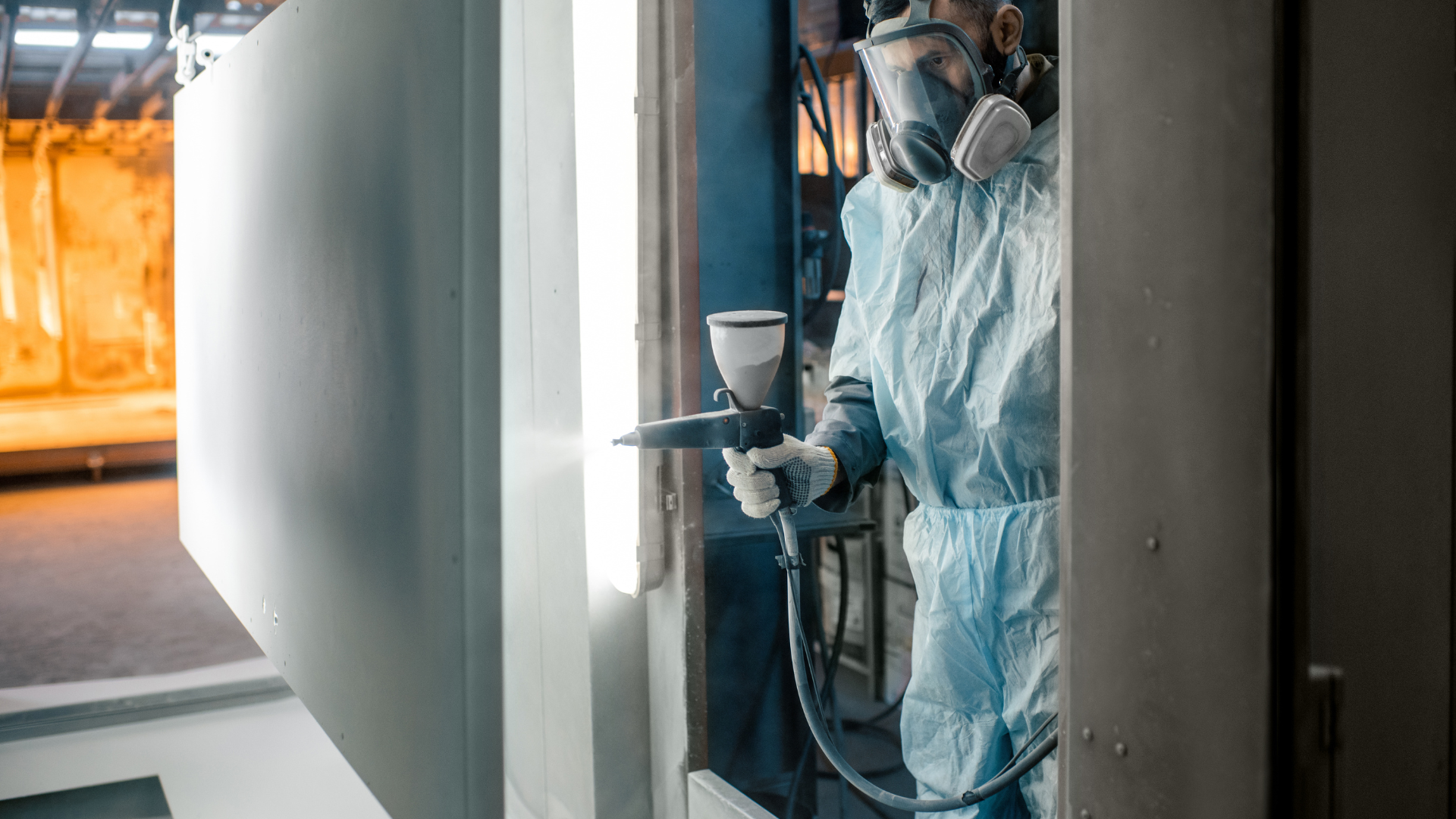
In an explosive event, the primary danger is often the collapse of the structure or flying masonry. Our coatings act as a "catch-membrane," holding building materials together and significantly reducing the risk of catastrophic structural failure.
The ArmorThane Bedliners PLUS Standard
Precision Application. Professional Results. Permanent Protection.
Military Vehicle Armor Support
We provide coatings for military transport and tactical vehicles that require superior abrasion resistance and anti-corrosion properties while adding a layer of ballistic and blast-fragmentation defense.
Safe-Room & Shelter Linings
For high-security residential or commercial shelters, our coatings provide a seamless, reinforced interior that enhances the safety of the occupants during extreme weather or security threats.
Proven Performance
Our systems are based on technology used globally by defense forces to protect embassies, barracks, and critical infrastructure. We bring that same level of "Protecting Your World" to every high-security project.
Ballistic & Fragmentation Control
By coating hard-armor plates or vehicle panels, our polyurea helps contain "spalling"—the metal fragments that break off during an impact—keeping personnel safer inside the perimeter.
Strategic Technical Consultation
Military and defense projects require strict confidentiality and technical precision. We work closely with security managers to ensure the application meets the specific threat-level requirements of the site.
Frequently Asked Questions
Expert Insights into High-Performance Coatings & Technical Services.
What exactly is Polyurea and how does it compare to traditional liners?
Polyurea is an advanced elastomer that creates a seamless, flexible, and waterproof barrier. Unlike traditional drop-in or paint-on liners, it forms a permanent molecular bond that won’t crack, peel, or warp under extreme temperature shifts or heavy impact.
How does the coating stop blast damage?
It doesn't stop the blast, but it absorbs the energy and keeps the wall/structure from shattering into shrapnel.
Can this be applied to existing government buildings?
Yes, it can be applied to interior or exterior walls to retrofit them for higher security.
Is the coating fire-resistant?
We offer specific formulations that include fire-retardant properties for added safety.
What is the typical thickness for blast mitigation?
This varies by threat level, but it is typically applied much thicker than a standard bedliner.
Does it add a lot of weight to a vehicle?
It is surprisingly lightweight relative to the amount of structural reinforcement it provides.
Can it be used on fuel tankers?
Yes, it provides excellent secondary containment and impact defense for fuel transport.
Is it UV stable for desert environments?
Yes, our defense coatings are engineered to withstand extreme UV and heat.
Does it work on wood structures?
Yes, it provides significant reinforcement for timber and plywood structures in high-risk zones.